Native Plants and Property Value: What Homeowners Should Know
Homeowners usually start thinking about plant choices for practical reasons. They want the front yard to look better, the side yard to stop baking in the afternoon sun, or the back garden to require less weekend labor. Property value often enters the conversation later, sometimes when a homeowner is preparing to sell, sometimes when a real estate agent walks the lot and says, gently, that the yard needs help.
Native plants sit at an interesting intersection of beauty, cost control, and market appeal. They are not a magic formula for a higher appraisal, and they do not guarantee a bidding war. Real estate does not work that way. Still, in many markets, a thoughtful native landscape can improve curb appeal, reduce maintenance concerns, lower water demand, and make a property feel more settled and intentional. Buyers notice those things, even when they do not use horticultural language to describe them.
The key word there is thoughtful. A yard full of healthy native plants can add value. A yard that looks wild, neglected, or unfinished can subtract it. The difference is design, upkeep, and fit for the neighborhood.
Why buyers respond to native landscapes
Most buyers do not arrive at a showing with a plant list in hand. They are responding to something more immediate. The yard either feels calm and cared for, or it does not. Native plants can create that cared-for feeling especially well because, when chosen correctly, they tend to look comfortable in the local climate. They belong to the place. That matters more than many homeowners realize.
A front yard planted with regionally appropriate grasses, flowering perennials, and a well-placed shade tree often feels easier to live with than a thirsty lawn that is patchy by July. The visual effect is one part of the value story. The practical effect matters too. Buyers increasingly ask about water bills, irrigation, and upkeep. They may not use terms like Xeriscaping or Water-wise irrigation, but they care about what those approaches mean in real life: fewer repairs, less hand watering, lower monthly costs, and a garden that still looks decent after a hot spell.
In neighborhoods where conventional turf has long been the default, native planting can also signal quality when it is done well. It suggests that the owner made deliberate choices instead of relying on whatever the builder installed fifteen years ago. That can make a property stand out in a good way, especially when the house itself has similar signs of care.
Curb appeal is only part of the equation
People often talk about landscaping as though it starts and ends with first impressions. First impressions matter, certainly, but value builds in layers. A good landscape improves how the property photographs, how it looks from the street, and how it functions day to day. Native plants support all three.
From the street, they can provide seasonal color and texture without the forced look that comes from trying to maintain species that dislike local conditions. In daily use, they can reduce muddy patches, soften heat reflected from paving, attract birds and pollinators, and create privacy where fencing alone would feel harsh. In listing photos, mature native plantings often make a property look established, which buyers tend to equate with stability and care.
That said, buyers are not paying extra simply because a seller says the yard contains native plants. They respond to the overall result. I have seen excellent landscapes lose value because they looked overgrown at the wrong moment in the season. I have also seen ordinary houses gain momentum on the market because the landscape framed the home beautifully and looked easy to maintain.
What actually influences value
There is no universal formula that says native plants add a fixed percentage to home value. Local climate, lot size, price point, and buyer expectations all matter. A well-designed native garden in a drought-prone region may be a stronger selling point than the same garden in a place where water is abundant and lawns are still culturally dominant. Even within one city, neighborhoods differ. Some buyers love a meadow-style planting. Others want a cleaner, more structured look.
In practice, native landscaping tends to support value through four channels:
- It improves appearance and curb appeal.
- It can lower expected maintenance and water use.
- It helps the property feel climate-appropriate and resilient.
- It distinguishes the home from comparable listings without looking gimmicky.
Those channels are strongest when the design solves real problems. For example, a dry slope planted with deep-rooted native groundcovers and anchored with subtle Hardscaping can feel like a major asset because it addresses erosion and looks intentional. The same slope left in struggling turf feels like deferred work. Buyers can tell the difference.
Native does not mean messy
This is where many homeowners go wrong. They hear that Native plants are lower maintenance and better for the environment, then assume the yard can more or less manage itself. It cannot. Low maintenance is not the same as no maintenance. A landscape still needs pruning, editing, seasonal cleanup, irrigation checks while plants establish, and clear visual structure.
One of the most common mistakes is putting ecologically valuable plants into a design that reads as accidental. Tall seed heads, sprawling grasses, or a loose cottage-style planting can be beautiful, but they need edges and anchors. A crisp walkway, a defined bed line, a stone border, or repeated plant groupings can make the whole garden look composed. This is where good landsaping ideas, or rather practical landscaping ideas, matter more than the plant list itself.
I often advise homeowners to think about a native landscape the way they would think about furnishing a room. If every piece is worthy but nothing relates, the space feels chaotic. If the larger framework is clear, then the details can be softer and more natural.
The role of maintenance in market perception
A landscape can be inexpensive to maintain and still appear neglected. That distinction affects value. Buyers are not simply judging the current state of the plants. They are imagining what ownership will require. If they see tall weeds mixed into ornamental grasses, irrigation lines exposed at the surface, or Mulching that has broken down into a thin, patchy layer, they assume the property has been harder to manage than advertised.
By contrast, a native garden with fresh Garden Mulching, healthy plant spacing, and trimmed sightlines around the entry tells a very different story. It says, this place has a system. Even if the buyer knows little about Gardening, they understand visible care.
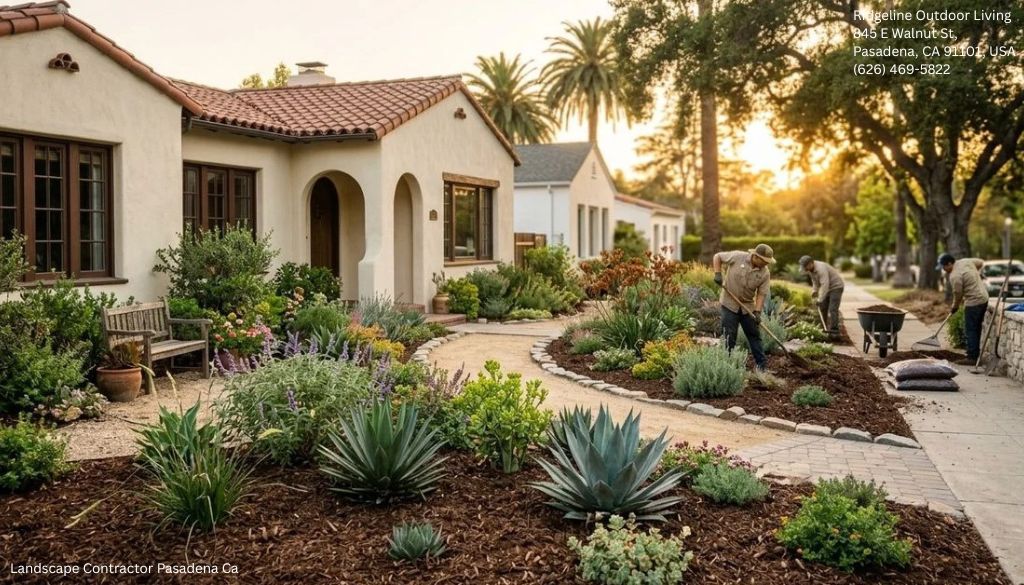
Mulching deserves special mention because it is one of the cheapest ways to improve the look and function of a native planting. Proper mulch conserves moisture, moderates soil temperature, and suppresses weeds during establishment. It also makes the planting bed look finished. The wrong approach can hurt, though. Piling mulch against tree trunks, creating mulch volcanoes, is bad Tree Care and a red flag to anyone who notices. A two- to three-inch layer spread evenly, with space around the base of trunks and stems, is far more effective.
Water savings can matter, but only when they are believable
Water use has become part of the value conversation in many regions, especially where summer restrictions, rising utility rates, or recurrent drought shape homeowner decisions. Native plants can support lower water use because they are adapted to local rainfall patterns and soils, particularly once established. Still, sellers should be careful not to oversell this point.
A newly installed native landscape usually needs regular irrigation for the first one to two growing seasons. Some plants need longer, depending on soil and weather. Buyers who hear, “This yard never needs water,” may either distrust the claim or neglect the plants after purchase and end up disappointed. It is better to frame the licensed landscapers Arcadia benefit accurately. A mature native garden, supported by well-zoned Water-wise irrigation, often needs less supplemental water than conventional turf and exotic foundation plantings.
That is a strong selling point because it feels realistic. It also aligns with the growing appeal of Low-maintenance gardens. Most buyers do not dream of spending every Saturday resetting sprinklers and replacing failed annuals. They want a yard that can look good with reasonable care.
Mature trees may have the biggest influence
When people think about Native plants, they often picture perennials, grasses, or pollinator beds. Those matter, but mature native trees frequently carry the greatest weight in property value. Shade trees improve comfort, reduce heat load around the house, and give a property presence. A healthy native oak, maple, elm, or other regionally appropriate canopy tree can anchor the entire landscape.
The caveat is that tree condition matters immensely. A mature tree with poor structure, root damage, or visible decline can create concern rather than value. I have watched buyers fall in love with a shaded yard, then hesitate after hearing they may need a five-figure removal or substantial corrective pruning. Good Tree Care is not optional if you want mature trees to support value.
That means pruning for structure when trees are young, protecting root zones during construction, watering properly during establishment, and avoiding common damage from mowers or excessive mulch. If you are selling, documentation can help. Receipts or notes showing that a certified arborist evaluated or maintained important trees may reassure cautious buyers.
Native plants work best when they match the architecture
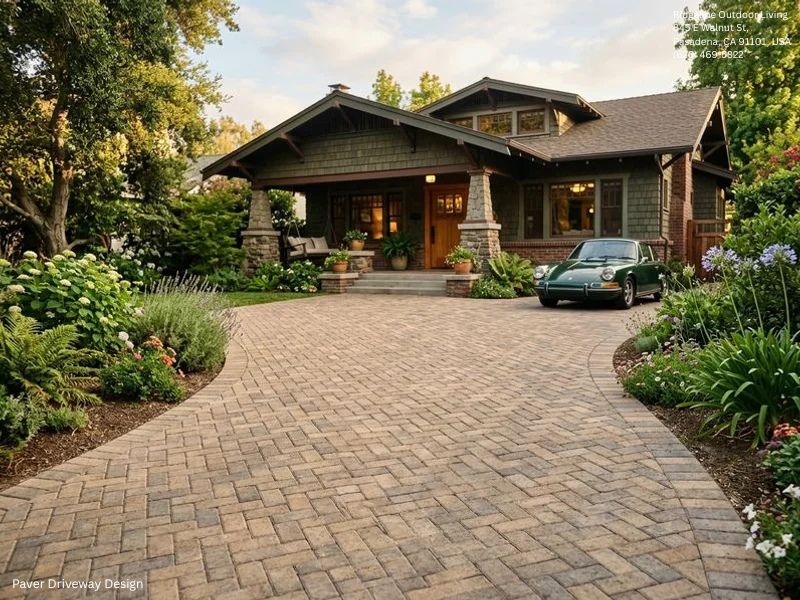
One of the easiest ways to miss the mark is to treat every property as though it wants the same style of planting. A contemporary house with strong lines may benefit from a restrained palette of native grasses, sculptural shrubs, and simple gravel paths. A traditional home might look better with layered foundation plantings, native flowering shrubs, and a more familiar entry sequence. A rural property can usually carry looser forms than a small suburban lot where neighbors expect clearer boundaries.
The plant palette may be native in all three cases, but the design language changes. This is why blanket advice can be misleading. Buyers are not rewarding native plants in the abstract. They are responding to fit. Does the landscape suit the house, the lot, and the surrounding street? If it does, the value upside is much stronger.
Hardscaping can help bridge that fit. Native plantings often look better and perform better when paired with durable paths, seating areas, retaining elements, or stone edging that creates order. In resale terms, that balance matters. Too much paving can make a yard feel hot and expensive to modify. Too little structure can make it feel unfinished.
Where native landscaping clearly outperforms lawn
There are parts of a property where turf is simply not the best answer. Narrow side yards, hell strips near the street, steep banks, awkward corners, and areas under established trees often become recurring maintenance problems when planted in grass. These are prime opportunities for native alternatives.
A bank that erodes every winter may stabilize well with native shrubs and deep-rooted grasses. A dry south-facing strip can become attractive with heat-tolerant perennials and drip irrigation. A shady area under trees may support native sedges or woodland groundcovers more successfully than a struggling lawn. When buyers see those difficult spaces solved intelligently, they tend to interpret the entire property as better managed.
Landscapers in Arcadia CA Ridgeline Outdoor LivingThat does not mean every lawn should disappear. In family-oriented neighborhoods, some usable turf still has broad appeal. A small open area for play or pets may support marketability. The strongest landscapes often mix elements rather than adopting a rigid ideology.
The artificial turf question
Artificial turf comes up often in discussions about resale, water savings, and Low-maintenance gardens. Some homeowners consider replacing lawn with synthetic grass and pairing it with native planting beds. In certain contexts, especially small courtyards or dog runs, it can be practical. In other settings, it hurts rather than helps.
Artificial turf does not deliver the cooling, habitat, or soil benefits of living plants. It can look convincing from a distance and distinctly fake up close, especially if poorly installed. It also tends to date faster than real planting. For resale, the response is mixed. Some buyers love the low upkeep. Others immediately start pricing removal.
If the goal is long-term value and a landscape that feels regionally grounded, native plants generally age better. A modest amount of turf, whether natural or artificial, may have a place. But when homeowners are choosing between a broad expanse of synthetic green and a well-designed native garden with functional access, seating, and Mulching, the native approach often wins on character.
Xeriscaping is not a look, it is a strategy
Xeriscaping has suffered from decades of misunderstanding. Some people still equate it with bare gravel and a few lonely succulents. Proper Xeriscaping is simply landscape design that reduces water demand through smart planning. It includes plant selection, soil care, hydrozoning, efficient irrigation, and appropriate mulching. Native plants fit naturally into that system, but the result can vary widely in appearance.
A successful Xeriscaping approach can look lush, structured, modern, or naturalistic. The common thread is that the garden makes sense for the climate. This matters in property value terms because climate mismatch is expensive. A yard built around constant rescue watering, repeated replacements, and fussy pruning will eventually show it.
When homeowners invest in a native, water-wise framework, they are often reducing future friction for the next owner. That does not always show up in appraised value dollar for dollar, but it can improve buyer confidence and time on market.
What appraisers and agents tend to notice
Appraisers do not usually assign a line item for “native plants” the way they might note a finished basement or an extra bathroom. Their role is more constrained. Still, site improvements, overall condition, and marketability influence how a property compares to nearby sales. If the landscaping contributes to superior appeal and usability, it becomes part of that broader picture.
Real estate agents, meanwhile, are often more direct. They know what gets buyers out of the car and through the front gate. They also know what prompts nervous questions. A native landscape that looks neat, intentional, and seasonally attractive helps. One that blocks windows, narrows walkways, or looks like a habitat restoration project abandoned halfway through can be a liability.
If you are preparing to sell, ask yourself whether a stranger can read the design quickly. Can they tell where to walk, where to sit, and how the garden is supposed to function? If not, some editing is worth doing before listing.
Signs that a native landscape is adding value
A homeowner does not need a formal market study to spot whether the yard is helping. There are reliable clues.
- The entry and front facade are framed rather than obscured.
- The planting looks intentional in more than one season.
- Irrigation, edging, and mulch are maintained and visually tidy.
- Difficult site conditions, such as shade, slope, or heat, appear solved.
- The yard feels easier to own than a comparable conventional landscape.
Those points may sound simple, but they are the difference between a garden that reads as an asset and one that reads as a personal project.
If you want the value benefit, stage the landscape like you mean it
Selling a house with a native garden is not the time to be casual. Even beautiful landscapes need presentation. Plants should be trimmed back from paths and doors. Spent blooms that look messy should be deadheaded if the species allows it without ruining seasonal interest. Bare spots should be filled. Irrigation leaks should be repaired. Fresh mulch can sharpen the entire picture in a single day.
This is also the moment to define spaces. A back garden often sells better when buyers can see a dining area, a conversation area, or a patch of flexible lawn rather than one continuous planted field. If the yard includes habitat features, keep them, but present them clearly. A pollinator bed looks valuable when it is framed by a crisp border or adjacent seating. It looks accidental when it spills into every edge.
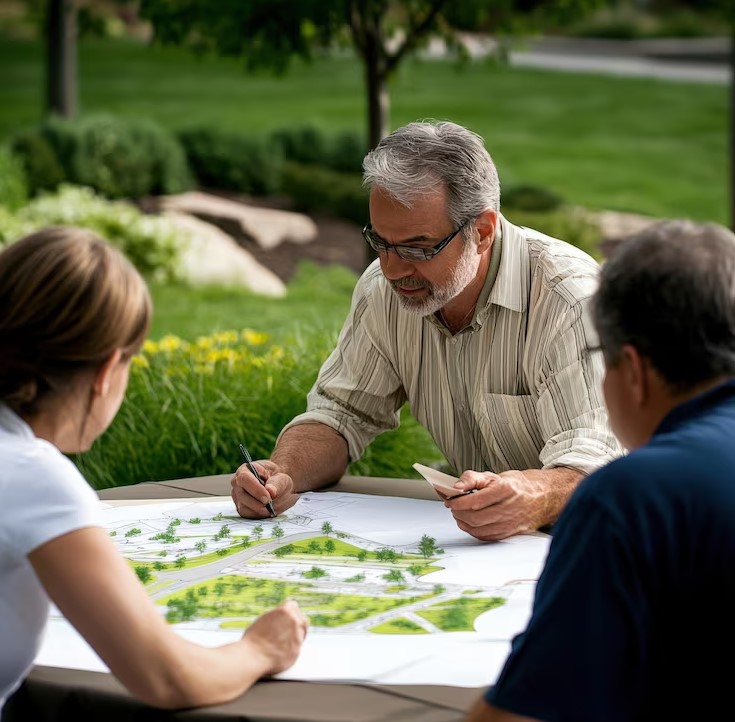
Sometimes the smartest pre-sale move is subtraction. Removing a few struggling shrubs or thinning a dense planting can make the better elements stand out. In my experience, buyers prefer a clean, readable garden to an overstuffed one, even when the overstuffed version contains more rare or interesting plants.
Common mistakes that reduce the upside
Homeowners can spend real money on native landscaping and still fail to capture much value. Usually the issue is not the concept but the execution. Installing too many species in small quantities creates visual clutter. Ignoring mature size leads to crowding within a few years. Choosing plants solely for ecological value without considering appearance near the front entry can backfire. So can copying wild landscapes literally without adapting them to residential expectations.
Another frequent problem is forgetting the non-plant elements. A beautiful native planting loses impact if the fence is leaning, the path is cracked, or the lighting is poor. Buyers do not separate these things neatly. They experience the property as a whole.
Garden Mulching mistakes, poor Tree Care, and badly tuned Water-wise irrigation are smaller examples of the same principle. Details either support trust or erode it.
The best investments for homeowners starting from scratch
If a homeowner has a limited budget and wants both enjoyment and resale benefit, a phased approach usually works best. Start with the visible, durable moves. Improve the front entry. Plant one or two appropriate native trees if the site allows and if you can maintain them through establishment. Replace problem lawn areas with clearly designed beds. Add mulch Hardscaping Arcadia Experts Ridgeline Outdoor Living and repair irrigation. Then expand deeper into the landscape as time and budget allow.
The projects that tend to pay off are not necessarily the most elaborate. They are the ones that solve obvious problems while improving appearance. A side yard that no longer turns to dust, a front bed that looks good from spring through fall, a shaded patio framed by native shrubs, those are changes buyers can grasp immediately.
For homeowners who love Gardening, there is also a personal return that should not be ignored. Living in a landscape that works with the local climate is often more satisfying than constantly fighting the site. Birds return. Pollinators appear. Seasonal change feels more vivid. That enjoyment may not show as a separate line on a valuation sheet, but it is part of why these landscapes tend to be cared for better over time, and that care does affect market performance.
What homeowners should remember before making the switch
Native plants can support property value, sometimes meaningfully, but not by virtue of being native alone. They help when they are healthy, established, and part of a coherent design. They shine when paired with sensible Hardscaping, correct Mulching, good Tree Care, and efficient irrigation. They are especially strong in climates where conventional high-water landscapes are becoming harder and more expensive to maintain.
The most successful native yards strike a balance. They honor ecology without asking a future buyer to decipher the space. They reduce work without looking bare. They feel rooted in the region and appropriate to the house. That balance is where value lives.
If you are considering a change, do not start by asking whether native plants are good or bad for resale. Ask a better question. What landscape will make this property look cared for, function well in this climate, and feel manageable to the next owner? Very often, native planting is a big part of the answer.